Buy kidscool.eu ?
We are moving the project
kidscool.eu .
Are you interested in purchasing the domain
kidscool.eu ?
domain@kv-gmbh.de · 0541-91531010
Buy kidscool.eu ?
Is taxonomy the same as systematics?
Taxonomy and systematics are related fields within biology, but they are not the same. Taxonomy is the science of naming, defining, and classifying organisms into different categories based on their similarities and differences. Systematics, on the other hand, is the study of the evolutionary relationships between different organisms, including their classification and the reconstruction of their evolutionary history. While taxonomy focuses on the naming and categorization of organisms, systematics delves deeper into understanding the evolutionary relationships and patterns among different species. **
Can one create phylogenetic trees and cladograms using taxonomy?
Yes, one can create phylogenetic trees and cladograms using taxonomy. Taxonomy, the science of classifying organisms based on shared characteristics, forms the basis for constructing phylogenetic trees and cladograms. By organizing organisms into groups based on their evolutionary relationships, taxonomic classifications can be used to create visual representations of these relationships in the form of phylogenetic trees and cladograms. These tools help researchers understand the evolutionary history and relatedness of different species. **

Similar search terms for Taxonomy
Top-Angebote
Products related to Taxonomy:
-
Market Central Felt Finger Numbers Math Toy Toddler Counting Early Education Learning Game Felt Finger Numbers Math Toy Toddler Counting Early Education Learning GameThis toddler Montessori felt math toy provides an interactive way for young children to learn basic numbers and early counting skills. Designed to build foundational math skills through handson play, it helps develop early childhood intelligence and...34,97 $*Shipping: 0,00 $Secure redirect to the provider
-
Multicon Wholesale Hub Educational Learning Toys For Kids Fun, Interactive Learning Play For Toddlers Educational Learning Toys For Kids Fun, Interactive Learning Play For ToddlersSpark your child's curiosity and enhance their learning journey with these educational learning toys designed for toddlers ages 27. Carefully crafted to promote cognitive and motor skills, this interactive toy set offers a variety of activities that...59,97 $*Shipping: 0,00 $Secure redirect to the provider
-
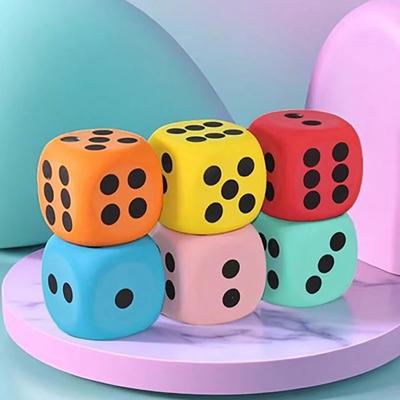
Inspired Finds Interactive Soft Foam Dice Set Jumbo Pet Game Dice For Playtime, Training & Fun Activities yellowUnleash a wave of energetic excitement with our Interactive Soft Foam Dice Set, specially designed for playful petowners and their furry companions. Whether youre strengthening training routines or simply turning playtime into a game, these large...34,99 $*Shipping: 0,00 $Secure redirect to the provider
-
Inspired Finds Interactive Soft Foam Dice Set Jumbo Pet Game Dice For Playtime, Training & Fun Activities greenUnleash a wave of energetic excitement with our Interactive Soft Foam Dice Set, specially designed for playful petowners and their furry companions. Whether youre strengthening training routines or simply turning playtime into a game, these large...34,99 $*Shipping: 0,00 $Secure redirect to the provider




-
Can one create family trees and cladograms using taxonomy?
Yes, one can create family trees and cladograms using taxonomy. Taxonomy is the science of classifying organisms into different categories based on their characteristics and evolutionary relationships. By organizing organisms into groups based on their similarities and differences, taxonomists can create family trees that show the evolutionary history and relationships between different species. Cladograms, which are branching diagrams that show these relationships, can also be constructed using taxonomic data to visually represent the evolutionary history of a group of organisms. **
-
What is the difference between taxonomy and nomenclature in systematics?
Taxonomy is the science of classifying and naming organisms based on their characteristics and evolutionary relationships. It involves identifying, describing, and naming species, as well as organizing them into hierarchical categories like genus and family. Nomenclature, on the other hand, is the system of rules and conventions for naming organisms. It includes the specific rules for assigning scientific names to organisms, ensuring that each species has a unique and universally recognized name. In summary, taxonomy is the science of classification, while nomenclature is the system of naming within that classification system. **
-
Why does the WordPress custom taxonomy not appear in the Gutenberg editor?
The WordPress custom taxonomy does not appear in the Gutenberg editor by default because the Gutenberg editor is designed to primarily handle content creation and editing, while taxonomies are more related to organizing and categorizing content. However, developers can enable the display of custom taxonomies in the Gutenberg editor by using custom code or plugins to integrate the taxonomies into the editor interface. This allows users to easily assign and manage taxonomy terms for their content within the Gutenberg editor. **
-
What are fun activities?
Fun activities are enjoyable and engaging experiences that bring pleasure and entertainment. They can vary greatly depending on individual preferences and interests, but some common examples include playing sports, going to the movies, hiking, cooking, or attending concerts. Fun activities often provide a break from routine, promote relaxation, and foster social connections. Ultimately, fun activities are anything that brings joy and a sense of fulfillment to the participants. **


Which creative professions involve manual activities?
Creative professions that involve manual activities include woodworking, pottery, sculpture, painting, and crafting. These professions require hands-on work and the use of tools and materials to create art pieces or functional objects. Artists and artisans in these fields often rely on their manual skills and creativity to bring their ideas to life through physical work. **
How can learning be fun?
Learning can be fun when it is interactive and engaging. Incorporating games, hands-on activities, and group projects can make learning enjoyable and memorable. Additionally, connecting the material to real-life experiences and interests of the learners can make the learning process more enjoyable. Providing opportunities for exploration and discovery can also make learning fun, as it allows students to take ownership of their learning and be actively involved in the process. **
Top-Angebote
Products related to Taxonomy:
-
Basic Fun Fun Funko K'nex Education Intro to Simple Machines Wheels and Axles Set - 221 Pieces - STEM Learning for Kids Aged 7 and UpIntroduce your child to the world of engineering with the Funko K'nex Education Intro to Simple Machines Wheels and Axles Set. This engaging building set is designed to inspire creativity and promote STEM learning. With 221 vibrant pieces, kids can build and create various models, learning about the principles of wheels and axles. The set is suitable for children aged 7 and up, and the durable materials ensure hours of fun and interactive play. The colorful pieces are sturdy enough to withstand imaginative play, and the set encourages problem-solving and critical thinking skills.25,86 £*Shipping: 3,95 £Secure redirect to the provider
-
Inspired Finds Interactive Soft Foam Dice Set Jumbo Pet Game Dice For Playtime, Training & Fun Activities orangeUnleash a wave of energetic excitement with our Interactive Soft Foam Dice Set, specially designed for playful petowners and their furry companions. Whether youre strengthening training routines or simply turning playtime into a game, these large...34,99 $*Shipping: 0,00 $Secure redirect to the provider
-
Market Central Felt Finger Numbers Math Toy Toddler Counting Early Education Learning Game Felt Finger Numbers Math Toy Toddler Counting Early Education Learning GameThis toddler Montessori felt math toy provides an interactive way for young children to learn basic numbers and early counting skills. Designed to build foundational math skills through handson play, it helps develop early childhood intelligence and...34,97 $*Shipping: 0,00 $Secure redirect to the provider
-
Multicon Wholesale Hub Educational Learning Toys For Kids Fun, Interactive Learning Play For Toddlers Educational Learning Toys For Kids Fun, Interactive Learning Play For ToddlersSpark your child's curiosity and enhance their learning journey with these educational learning toys designed for toddlers ages 27. Carefully crafted to promote cognitive and motor skills, this interactive toy set offers a variety of activities that...59,97 $*Shipping: 0,00 $Secure redirect to the provider
-
Is taxonomy the same as systematics?
Taxonomy and systematics are related fields within biology, but they are not the same. Taxonomy is the science of naming, defining, and classifying organisms into different categories based on their similarities and differences. Systematics, on the other hand, is the study of the evolutionary relationships between different organisms, including their classification and the reconstruction of their evolutionary history. While taxonomy focuses on the naming and categorization of organisms, systematics delves deeper into understanding the evolutionary relationships and patterns among different species. **
-
Can one create phylogenetic trees and cladograms using taxonomy?
Yes, one can create phylogenetic trees and cladograms using taxonomy. Taxonomy, the science of classifying organisms based on shared characteristics, forms the basis for constructing phylogenetic trees and cladograms. By organizing organisms into groups based on their evolutionary relationships, taxonomic classifications can be used to create visual representations of these relationships in the form of phylogenetic trees and cladograms. These tools help researchers understand the evolutionary history and relatedness of different species. **
-
Can one create family trees and cladograms using taxonomy?
Yes, one can create family trees and cladograms using taxonomy. Taxonomy is the science of classifying organisms into different categories based on their characteristics and evolutionary relationships. By organizing organisms into groups based on their similarities and differences, taxonomists can create family trees that show the evolutionary history and relationships between different species. Cladograms, which are branching diagrams that show these relationships, can also be constructed using taxonomic data to visually represent the evolutionary history of a group of organisms. **
-
What is the difference between taxonomy and nomenclature in systematics?
Taxonomy is the science of classifying and naming organisms based on their characteristics and evolutionary relationships. It involves identifying, describing, and naming species, as well as organizing them into hierarchical categories like genus and family. Nomenclature, on the other hand, is the system of rules and conventions for naming organisms. It includes the specific rules for assigning scientific names to organisms, ensuring that each species has a unique and universally recognized name. In summary, taxonomy is the science of classification, while nomenclature is the system of naming within that classification system. **
Similar search terms for Taxonomy
-
Inspired Finds Interactive Soft Foam Dice Set Jumbo Pet Game Dice For Playtime, Training & Fun Activities yellowUnleash a wave of energetic excitement with our Interactive Soft Foam Dice Set, specially designed for playful petowners and their furry companions. Whether youre strengthening training routines or simply turning playtime into a game, these large...34,99 $*Shipping: 0,00 $Secure redirect to the provider
-
Inspired Finds Interactive Soft Foam Dice Set Jumbo Pet Game Dice For Playtime, Training & Fun Activities greenUnleash a wave of energetic excitement with our Interactive Soft Foam Dice Set, specially designed for playful petowners and their furry companions. Whether youre strengthening training routines or simply turning playtime into a game, these large...34,99 $*Shipping: 0,00 $Secure redirect to the provider
-
Inspired Finds Interactive Soft Foam Dice Set Jumbo Pet Game Dice For Playtime, Training & Fun Activities blueUnleash a wave of energetic excitement with our Interactive Soft Foam Dice Set, specially designed for playful petowners and their furry companions. Whether youre strengthening training routines or simply turning playtime into a game, these large...34,99 $*Shipping: 0,00 $Secure redirect to the provider
-
Inspired Finds Interactive Soft Foam Dice Set Jumbo Pet Game Dice For Playtime, Training & Fun Activities pinkUnleash a wave of energetic excitement with our Interactive Soft Foam Dice Set, specially designed for playful petowners and their furry companions. Whether youre strengthening training routines or simply turning playtime into a game, these large...34,99 $*Shipping: 0,00 $Secure redirect to the provider
-
Why does the WordPress custom taxonomy not appear in the Gutenberg editor?
The WordPress custom taxonomy does not appear in the Gutenberg editor by default because the Gutenberg editor is designed to primarily handle content creation and editing, while taxonomies are more related to organizing and categorizing content. However, developers can enable the display of custom taxonomies in the Gutenberg editor by using custom code or plugins to integrate the taxonomies into the editor interface. This allows users to easily assign and manage taxonomy terms for their content within the Gutenberg editor. **
-
What are fun activities?
Fun activities are enjoyable and engaging experiences that bring pleasure and entertainment. They can vary greatly depending on individual preferences and interests, but some common examples include playing sports, going to the movies, hiking, cooking, or attending concerts. Fun activities often provide a break from routine, promote relaxation, and foster social connections. Ultimately, fun activities are anything that brings joy and a sense of fulfillment to the participants. **
-
Which creative professions involve manual activities?
Creative professions that involve manual activities include woodworking, pottery, sculpture, painting, and crafting. These professions require hands-on work and the use of tools and materials to create art pieces or functional objects. Artists and artisans in these fields often rely on their manual skills and creativity to bring their ideas to life through physical work. **
-
How can learning be fun?
Learning can be fun when it is interactive and engaging. Incorporating games, hands-on activities, and group projects can make learning enjoyable and memorable. Additionally, connecting the material to real-life experiences and interests of the learners can make the learning process more enjoyable. Providing opportunities for exploration and discovery can also make learning fun, as it allows students to take ownership of their learning and be actively involved in the process. **
* All prices are inclusive of VAT and, if applicable, plus shipping costs. The offer information is based on the details provided by the respective shop and is updated through automated processes. Real-time updates do not occur, so deviations can occur in individual cases. ** Note: Parts of this content were created by AI.