Buy kidscool.eu ?
We are moving the project
kidscool.eu .
Are you interested in purchasing the domain
kidscool.eu ?
domain@kv-gmbh.de · 0541-91531010
Buy kidscool.eu ?
How are eudaimonia and daimonion connected in Socrates' philosophy?
In Socrates' philosophy, eudaimonia refers to human flourishing or living a fulfilling life. Daimonion, on the other hand, refers to a divine sign or inner voice that guides individuals towards what is right and virtuous. Socrates believed that following one's daimonion would lead to eudaimonia, as it would guide individuals towards living a virtuous and fulfilling life. Therefore, the connection between eudaimonia and daimonion lies in the belief that following one's inner divine sign will ultimately lead to a flourishing and fulfilling life. **
What are the differences and similarities between eudaimonia and deontology?
Eudaimonia and deontology are both ethical theories, but they differ in their approach. Eudaimonia, often associated with Aristotle, focuses on the concept of human flourishing and living a virtuous life to achieve happiness. Deontology, on the other hand, is a moral theory that emphasizes the importance of following rules and duties to determine what is right or wrong, regardless of the consequences. Both theories aim to guide individuals in making ethical decisions, but eudaimonia is more focused on the overall well-being and character development of a person, while deontology is more concerned with the principles and duties that should be followed in moral decision-making. **

Similar search terms for Eudaimonia
Top-Angebote
Products related to Eudaimonia:
-
Market Central Felt Finger Numbers Math Toy Toddler Counting Early Education Learning Game Felt Finger Numbers Math Toy Toddler Counting Early Education Learning GameThis toddler Montessori felt math toy provides an interactive way for young children to learn basic numbers and early counting skills. Designed to build foundational math skills through handson play, it helps develop early childhood intelligence and...34,97 $*Shipping: 0,00 $Secure redirect to the provider
-
Multicon Wholesale Hub Educational Learning Toys For Kids Fun, Interactive Learning Play For Toddlers Educational Learning Toys For Kids Fun, Interactive Learning Play For ToddlersSpark your child's curiosity and enhance their learning journey with these educational learning toys designed for toddlers ages 27. Carefully crafted to promote cognitive and motor skills, this interactive toy set offers a variety of activities that...59,97 $*Shipping: 0,00 $Secure redirect to the provider
-
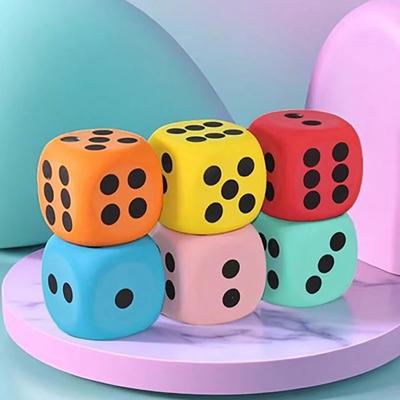
Inspired Finds Interactive Soft Foam Dice Set Jumbo Pet Game Dice For Playtime, Training & Fun Activities yellowUnleash a wave of energetic excitement with our Interactive Soft Foam Dice Set, specially designed for playful petowners and their furry companions. Whether youre strengthening training routines or simply turning playtime into a game, these large...34,99 $*Shipping: 0,00 $Secure redirect to the provider
-
Inspired Finds Interactive Soft Foam Dice Set Jumbo Pet Game Dice For Playtime, Training & Fun Activities greenUnleash a wave of energetic excitement with our Interactive Soft Foam Dice Set, specially designed for playful petowners and their furry companions. Whether youre strengthening training routines or simply turning playtime into a game, these large...34,99 $*Shipping: 0,00 $Secure redirect to the provider




-
How are reason, language, and eudaimonia connected according to Aristotle?
According to Aristotle, reason, language, and eudaimonia are interconnected in the pursuit of human flourishing. Reason allows humans to engage in rational thought and make choices that lead to a virtuous and fulfilling life. Language enables individuals to communicate and express their thoughts, allowing for the sharing of knowledge and the development of moral virtues. Eudaimonia, or human flourishing, is achieved through the cultivation of virtues and the use of reason to make choices that lead to a life of purpose and fulfillment. Therefore, reason and language are essential tools in the pursuit of eudaimonia, as they enable individuals to develop and express their moral virtues and make choices that lead to a flourishing life. **
-
How are eudaimonia and daimonion related in the philosophy of Socrates?
In the philosophy of Socrates, eudaimonia refers to human flourishing or living a life of virtue and excellence. Daimonion, on the other hand, refers to the inner voice or guiding spirit that Socrates believed was a divine sign guiding him towards moral decisions. Socrates believed that following the guidance of his daimonion would lead to eudaimonia, as it would help him make virtuous choices and live a life in accordance with reason and moral principles. Thus, the relationship between eudaimonia and daimonion in Socrates' philosophy is that following the inner voice of daimonion is essential for achieving eudaimonia or human flourishing. **
-
How are Eudaimonia and Daimonion related in the philosophy of Socrates?
In the philosophy of Socrates, Eudaimonia refers to human flourishing or living a life of fulfillment and happiness. Daimonion, on the other hand, refers to the inner voice or guiding spirit that Socrates believed each person possessed. Socrates believed that by following one's daimonion and living a virtuous life, one could achieve eudaimonia. Therefore, the relationship between Eudaimonia and Daimonion in Socrates' philosophy is that by listening to and following one's inner voice or daimonion, one can achieve a state of eudaimonia or true happiness and fulfillment. **
-
How can one best differentiate between happiness, bliss, and eudaimonia according to Aristotle?
According to Aristotle, happiness (eudaimonia) is the ultimate goal of human life and is achieved through the cultivation of virtue and the fulfillment of one's potential. Bliss, on the other hand, is a state of extreme joy or contentment, often temporary and dependent on external circumstances. To differentiate between the two, one must consider that happiness is a more enduring and holistic state, encompassing a sense of fulfillment and purpose, while bliss is a fleeting emotional experience. Ultimately, Aristotle's concept of eudaimonia emphasizes the importance of living a virtuous and meaningful life, which goes beyond mere pleasure or temporary joy. **


Why, according to Aristotle, is happiness (Eudaimonia) not equivalent to having good luck (Eutychia)?
According to Aristotle, happiness (Eudaimonia) is not equivalent to having good luck (Eutychia) because happiness is a state of being that is achieved through virtuous actions and living a life in accordance with reason and moral virtue. Good luck, on the other hand, is external and based on chance or circumstances beyond one's control. Aristotle believed that true happiness comes from within and is the result of living a life of virtue, rather than relying on external factors like luck. **
Why, according to Aristotle, is happiness (Eudaimonia) not to be equated with having good luck (Eutychia)?
According to Aristotle, happiness (Eudaimonia) is not to be equated with having good luck (Eutychia) because happiness is not dependent on external circumstances or luck. Instead, happiness is the result of living a virtuous and fulfilling life, which requires deliberate action and cultivation of moral character. Good luck, on the other hand, is based on external factors that are beyond our control, and therefore cannot be the ultimate source of true and lasting happiness. Aristotle believed that true happiness comes from within, through the practice of virtue and the development of a well-lived life. **
Top-Angebote
Products related to Eudaimonia:
-
Basic Fun Fun Funko K'nex Education Intro to Simple Machines Wheels and Axles Set - 221 Pieces - STEM Learning for Kids Aged 7 and UpIntroduce your child to the world of engineering with the Funko K'nex Education Intro to Simple Machines Wheels and Axles Set. This engaging building set is designed to inspire creativity and promote STEM learning. With 221 vibrant pieces, kids can build and create various models, learning about the principles of wheels and axles. The set is suitable for children aged 7 and up, and the durable materials ensure hours of fun and interactive play. The colorful pieces are sturdy enough to withstand imaginative play, and the set encourages problem-solving and critical thinking skills.25,86 £*Shipping: 3,95 £Secure redirect to the provider
-
Inspired Finds Interactive Soft Foam Dice Set Jumbo Pet Game Dice For Playtime, Training & Fun Activities orangeUnleash a wave of energetic excitement with our Interactive Soft Foam Dice Set, specially designed for playful petowners and their furry companions. Whether youre strengthening training routines or simply turning playtime into a game, these large...34,99 $*Shipping: 0,00 $Secure redirect to the provider
-
Market Central Felt Finger Numbers Math Toy Toddler Counting Early Education Learning Game Felt Finger Numbers Math Toy Toddler Counting Early Education Learning GameThis toddler Montessori felt math toy provides an interactive way for young children to learn basic numbers and early counting skills. Designed to build foundational math skills through handson play, it helps develop early childhood intelligence and...34,97 $*Shipping: 0,00 $Secure redirect to the provider
-
Multicon Wholesale Hub Educational Learning Toys For Kids Fun, Interactive Learning Play For Toddlers Educational Learning Toys For Kids Fun, Interactive Learning Play For ToddlersSpark your child's curiosity and enhance their learning journey with these educational learning toys designed for toddlers ages 27. Carefully crafted to promote cognitive and motor skills, this interactive toy set offers a variety of activities that...59,97 $*Shipping: 0,00 $Secure redirect to the provider
-
How are eudaimonia and daimonion connected in Socrates' philosophy?
In Socrates' philosophy, eudaimonia refers to human flourishing or living a fulfilling life. Daimonion, on the other hand, refers to a divine sign or inner voice that guides individuals towards what is right and virtuous. Socrates believed that following one's daimonion would lead to eudaimonia, as it would guide individuals towards living a virtuous and fulfilling life. Therefore, the connection between eudaimonia and daimonion lies in the belief that following one's inner divine sign will ultimately lead to a flourishing and fulfilling life. **
-
What are the differences and similarities between eudaimonia and deontology?
Eudaimonia and deontology are both ethical theories, but they differ in their approach. Eudaimonia, often associated with Aristotle, focuses on the concept of human flourishing and living a virtuous life to achieve happiness. Deontology, on the other hand, is a moral theory that emphasizes the importance of following rules and duties to determine what is right or wrong, regardless of the consequences. Both theories aim to guide individuals in making ethical decisions, but eudaimonia is more focused on the overall well-being and character development of a person, while deontology is more concerned with the principles and duties that should be followed in moral decision-making. **
-
How are reason, language, and eudaimonia connected according to Aristotle?
According to Aristotle, reason, language, and eudaimonia are interconnected in the pursuit of human flourishing. Reason allows humans to engage in rational thought and make choices that lead to a virtuous and fulfilling life. Language enables individuals to communicate and express their thoughts, allowing for the sharing of knowledge and the development of moral virtues. Eudaimonia, or human flourishing, is achieved through the cultivation of virtues and the use of reason to make choices that lead to a life of purpose and fulfillment. Therefore, reason and language are essential tools in the pursuit of eudaimonia, as they enable individuals to develop and express their moral virtues and make choices that lead to a flourishing life. **
-
How are eudaimonia and daimonion related in the philosophy of Socrates?
In the philosophy of Socrates, eudaimonia refers to human flourishing or living a life of virtue and excellence. Daimonion, on the other hand, refers to the inner voice or guiding spirit that Socrates believed was a divine sign guiding him towards moral decisions. Socrates believed that following the guidance of his daimonion would lead to eudaimonia, as it would help him make virtuous choices and live a life in accordance with reason and moral principles. Thus, the relationship between eudaimonia and daimonion in Socrates' philosophy is that following the inner voice of daimonion is essential for achieving eudaimonia or human flourishing. **
Similar search terms for Eudaimonia
-
Inspired Finds Interactive Soft Foam Dice Set Jumbo Pet Game Dice For Playtime, Training & Fun Activities yellowUnleash a wave of energetic excitement with our Interactive Soft Foam Dice Set, specially designed for playful petowners and their furry companions. Whether youre strengthening training routines or simply turning playtime into a game, these large...34,99 $*Shipping: 0,00 $Secure redirect to the provider
-
Inspired Finds Interactive Soft Foam Dice Set Jumbo Pet Game Dice For Playtime, Training & Fun Activities greenUnleash a wave of energetic excitement with our Interactive Soft Foam Dice Set, specially designed for playful petowners and their furry companions. Whether youre strengthening training routines or simply turning playtime into a game, these large...34,99 $*Shipping: 0,00 $Secure redirect to the provider
-
Inspired Finds Interactive Soft Foam Dice Set Jumbo Pet Game Dice For Playtime, Training & Fun Activities blueUnleash a wave of energetic excitement with our Interactive Soft Foam Dice Set, specially designed for playful petowners and their furry companions. Whether youre strengthening training routines or simply turning playtime into a game, these large...34,99 $*Shipping: 0,00 $Secure redirect to the provider
-
Inspired Finds Interactive Soft Foam Dice Set Jumbo Pet Game Dice For Playtime, Training & Fun Activities pinkUnleash a wave of energetic excitement with our Interactive Soft Foam Dice Set, specially designed for playful petowners and their furry companions. Whether youre strengthening training routines or simply turning playtime into a game, these large...34,99 $*Shipping: 0,00 $Secure redirect to the provider
-
How are Eudaimonia and Daimonion related in the philosophy of Socrates?
In the philosophy of Socrates, Eudaimonia refers to human flourishing or living a life of fulfillment and happiness. Daimonion, on the other hand, refers to the inner voice or guiding spirit that Socrates believed each person possessed. Socrates believed that by following one's daimonion and living a virtuous life, one could achieve eudaimonia. Therefore, the relationship between Eudaimonia and Daimonion in Socrates' philosophy is that by listening to and following one's inner voice or daimonion, one can achieve a state of eudaimonia or true happiness and fulfillment. **
-
How can one best differentiate between happiness, bliss, and eudaimonia according to Aristotle?
According to Aristotle, happiness (eudaimonia) is the ultimate goal of human life and is achieved through the cultivation of virtue and the fulfillment of one's potential. Bliss, on the other hand, is a state of extreme joy or contentment, often temporary and dependent on external circumstances. To differentiate between the two, one must consider that happiness is a more enduring and holistic state, encompassing a sense of fulfillment and purpose, while bliss is a fleeting emotional experience. Ultimately, Aristotle's concept of eudaimonia emphasizes the importance of living a virtuous and meaningful life, which goes beyond mere pleasure or temporary joy. **
-
Why, according to Aristotle, is happiness (Eudaimonia) not equivalent to having good luck (Eutychia)?
According to Aristotle, happiness (Eudaimonia) is not equivalent to having good luck (Eutychia) because happiness is a state of being that is achieved through virtuous actions and living a life in accordance with reason and moral virtue. Good luck, on the other hand, is external and based on chance or circumstances beyond one's control. Aristotle believed that true happiness comes from within and is the result of living a life of virtue, rather than relying on external factors like luck. **
-
Why, according to Aristotle, is happiness (Eudaimonia) not to be equated with having good luck (Eutychia)?
According to Aristotle, happiness (Eudaimonia) is not to be equated with having good luck (Eutychia) because happiness is not dependent on external circumstances or luck. Instead, happiness is the result of living a virtuous and fulfilling life, which requires deliberate action and cultivation of moral character. Good luck, on the other hand, is based on external factors that are beyond our control, and therefore cannot be the ultimate source of true and lasting happiness. Aristotle believed that true happiness comes from within, through the practice of virtue and the development of a well-lived life. **
* All prices are inclusive of VAT and, if applicable, plus shipping costs. The offer information is based on the details provided by the respective shop and is updated through automated processes. Real-time updates do not occur, so deviations can occur in individual cases. ** Note: Parts of this content were created by AI.