Buy kidscool.eu ?
We are moving the project
kidscool.eu .
Are you interested in purchasing the domain
kidscool.eu ?
domain@kv-gmbh.de · 0541-91531010
Buy kidscool.eu ?
What is buoyancy?
Buoyancy is the ability of an object to float in a fluid, typically water or air. It is determined by the relationship between the object's weight and the amount of fluid it displaces. If an object is less dense than the fluid it is in, it will float, while if it is more dense, it will sink. Buoyancy is what allows boats and ships to float on water and hot air balloons to rise in the air. **
What is buoyancy 2?
Buoyancy 2 refers to the ability of an object to float or be supported by a fluid, typically water. It is determined by the relationship between the weight of the object and the upward force exerted by the fluid it is submerged in. If the object is less dense than the fluid, it will float; if it is more dense, it will sink. Buoyancy 2 plays a crucial role in various fields such as engineering, naval architecture, and physics. **


Similar search terms for Buoyancy
Top-Angebote
Products related to Buoyancy:
-
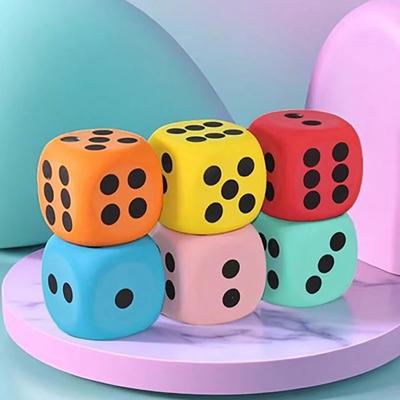
Inspired Finds Interactive Soft Foam Dice Set Jumbo Pet Game Dice For Playtime, Training & Fun Activities orangeUnleash a wave of energetic excitement with our Interactive Soft Foam Dice Set, specially designed for playful petowners and their furry companions. Whether youre strengthening training routines or simply turning playtime into a game, these large...34,99 $*Shipping: 0,00 $Secure redirect to the provider
-
Market Central Felt Finger Numbers Math Toy Toddler Counting Early Education Learning Game Felt Finger Numbers Math Toy Toddler Counting Early Education Learning GameThis toddler Montessori felt math toy provides an interactive way for young children to learn basic numbers and early counting skills. Designed to build foundational math skills through handson play, it helps develop early childhood intelligence and...34,97 $*Shipping: 0,00 $Secure redirect to the provider
-
Inspired Finds Interactive Soft Foam Dice Set Jumbo Pet Game Dice For Playtime, Training & Fun Activities yellowUnleash a wave of energetic excitement with our Interactive Soft Foam Dice Set, specially designed for playful petowners and their furry companions. Whether youre strengthening training routines or simply turning playtime into a game, these large...34,99 $*Shipping: 0,00 $Secure redirect to the provider
-
Inspired Finds Interactive Soft Foam Dice Set Jumbo Pet Game Dice For Playtime, Training & Fun Activities greenUnleash a wave of energetic excitement with our Interactive Soft Foam Dice Set, specially designed for playful petowners and their furry companions. Whether youre strengthening training routines or simply turning playtime into a game, these large...34,99 $*Shipping: 0,00 $Secure redirect to the provider


-
What is buoyancy in physics?
Buoyancy in physics refers to the upward force exerted by a fluid that opposes the weight of an object immersed in it. This force is a result of the pressure difference between the top and bottom of the object. Objects will float if their weight is less than the buoyant force acting on them, and sink if their weight is greater. Buoyancy plays a crucial role in determining whether objects float or sink in fluids such as water. **
-
What does buoyancy depend on?
Buoyancy depends on the density of the fluid and the volume of the object submerged in the fluid. When an object is placed in a fluid, the fluid exerts an upward force on the object, which is known as the buoyant force. This force is equal to the weight of the fluid displaced by the object. Therefore, the buoyancy of an object depends on the density of the fluid and the volume of the object, as these factors determine the amount of fluid displaced and the buoyant force exerted on the object. **
-
How is buoyancy calculated in physics?
Buoyancy is calculated in physics using Archimedes' principle, which states that the buoyant force acting on an object immersed in a fluid is equal to the weight of the fluid displaced by the object. The buoyant force can be calculated by multiplying the density of the fluid, the acceleration due to gravity, and the volume of the fluid displaced by the object. By comparing the buoyant force to the weight of the object, one can determine whether the object will float, sink, or remain suspended in the fluid. **
-
How does buoyancy work in space?
Buoyancy in space works differently than on Earth because there is no gravity to create the upward force. In microgravity environments, objects appear to be weightless and do not experience the same buoyant forces as they would in a fluid on Earth. However, in a spacecraft or space station, air circulation and ventilation systems can create air currents that can affect the movement of objects, creating a form of "buoyancy" in the absence of gravity. Additionally, the concept of buoyancy is still relevant in the design and operation of spacecraft and space equipment, as engineers must account for the effects of microgravity on the behavior of fluids and gases. **


What is the law of buoyancy?
The law of buoyancy, also known as Archimedes' principle, states that an object immersed in a fluid experiences an upward force equal to the weight of the fluid it displaces. This means that an object will float if it is less dense than the fluid it is immersed in, and it will sink if it is more dense. The buoyant force is what allows objects to float in water and is the reason why ships and other heavy objects can stay afloat. **
How is buoyancy created in water?
Buoyancy in water is created by the upward force exerted by the water on an object placed in it. This force is known as the buoyant force and is a result of the pressure difference between the top and bottom of the submerged object. The pressure at the bottom of the object is higher than at the top, causing a net upward force. This buoyant force is equal to the weight of the water displaced by the object, allowing it to float or be pushed upward when submerged. **
Top-Angebote
Products related to Buoyancy:
-
Basic Fun Fun Funko K'nex Education Intro to Simple Machines Wheels and Axles Set - 221 Pieces - STEM Learning for Kids Aged 7 and UpIntroduce your child to the world of engineering with the Funko K'nex Education Intro to Simple Machines Wheels and Axles Set. This engaging building set is designed to inspire creativity and promote STEM learning. With 221 vibrant pieces, kids can build and create various models, learning about the principles of wheels and axles. The set is suitable for children aged 7 and up, and the durable materials ensure hours of fun and interactive play. The colorful pieces are sturdy enough to withstand imaginative play, and the set encourages problem-solving and critical thinking skills.25,86 £*Shipping: 3,95 £Secure redirect to the provider
-
Universal Stock Shark Fin Dog Life Vest High Buoyancy Dog Swimming Vest With Rescue Handle aGive your furry friend the confidence to enjoy every splash with our 1 pc of Dog life vest, designed to keep pets safer and more comfortable during water adventures. Whether you're heading to the beach, lake, pool, or boat, this fun sharkfin design...49,97 $*Shipping: 0,00 $Secure redirect to the provider
-
Inspired Finds Interactive Soft Foam Dice Set Jumbo Pet Game Dice For Playtime, Training & Fun Activities orangeUnleash a wave of energetic excitement with our Interactive Soft Foam Dice Set, specially designed for playful petowners and their furry companions. Whether youre strengthening training routines or simply turning playtime into a game, these large...34,99 $*Shipping: 0,00 $Secure redirect to the provider
-
Market Central Felt Finger Numbers Math Toy Toddler Counting Early Education Learning Game Felt Finger Numbers Math Toy Toddler Counting Early Education Learning GameThis toddler Montessori felt math toy provides an interactive way for young children to learn basic numbers and early counting skills. Designed to build foundational math skills through handson play, it helps develop early childhood intelligence and...34,97 $*Shipping: 0,00 $Secure redirect to the provider
-
What is buoyancy?
Buoyancy is the ability of an object to float in a fluid, typically water or air. It is determined by the relationship between the object's weight and the amount of fluid it displaces. If an object is less dense than the fluid it is in, it will float, while if it is more dense, it will sink. Buoyancy is what allows boats and ships to float on water and hot air balloons to rise in the air. **
-
What is buoyancy 2?
Buoyancy 2 refers to the ability of an object to float or be supported by a fluid, typically water. It is determined by the relationship between the weight of the object and the upward force exerted by the fluid it is submerged in. If the object is less dense than the fluid, it will float; if it is more dense, it will sink. Buoyancy 2 plays a crucial role in various fields such as engineering, naval architecture, and physics. **
-
What is buoyancy in physics?
Buoyancy in physics refers to the upward force exerted by a fluid that opposes the weight of an object immersed in it. This force is a result of the pressure difference between the top and bottom of the object. Objects will float if their weight is less than the buoyant force acting on them, and sink if their weight is greater. Buoyancy plays a crucial role in determining whether objects float or sink in fluids such as water. **
-
What does buoyancy depend on?
Buoyancy depends on the density of the fluid and the volume of the object submerged in the fluid. When an object is placed in a fluid, the fluid exerts an upward force on the object, which is known as the buoyant force. This force is equal to the weight of the fluid displaced by the object. Therefore, the buoyancy of an object depends on the density of the fluid and the volume of the object, as these factors determine the amount of fluid displaced and the buoyant force exerted on the object. **
Similar search terms for Buoyancy
-
Inspired Finds Interactive Soft Foam Dice Set Jumbo Pet Game Dice For Playtime, Training & Fun Activities yellowUnleash a wave of energetic excitement with our Interactive Soft Foam Dice Set, specially designed for playful petowners and their furry companions. Whether youre strengthening training routines or simply turning playtime into a game, these large...34,99 $*Shipping: 0,00 $Secure redirect to the provider
-
Inspired Finds Interactive Soft Foam Dice Set Jumbo Pet Game Dice For Playtime, Training & Fun Activities greenUnleash a wave of energetic excitement with our Interactive Soft Foam Dice Set, specially designed for playful petowners and their furry companions. Whether youre strengthening training routines or simply turning playtime into a game, these large...34,99 $*Shipping: 0,00 $Secure redirect to the provider
-
Inspired Finds Interactive Soft Foam Dice Set Jumbo Pet Game Dice For Playtime, Training & Fun Activities blueUnleash a wave of energetic excitement with our Interactive Soft Foam Dice Set, specially designed for playful petowners and their furry companions. Whether youre strengthening training routines or simply turning playtime into a game, these large...34,99 $*Shipping: 0,00 $Secure redirect to the provider
-
Inspired Finds Interactive Soft Foam Dice Set Jumbo Pet Game Dice For Playtime, Training & Fun Activities pinkUnleash a wave of energetic excitement with our Interactive Soft Foam Dice Set, specially designed for playful petowners and their furry companions. Whether youre strengthening training routines or simply turning playtime into a game, these large...34,99 $*Shipping: 0,00 $Secure redirect to the provider
-
How is buoyancy calculated in physics?
Buoyancy is calculated in physics using Archimedes' principle, which states that the buoyant force acting on an object immersed in a fluid is equal to the weight of the fluid displaced by the object. The buoyant force can be calculated by multiplying the density of the fluid, the acceleration due to gravity, and the volume of the fluid displaced by the object. By comparing the buoyant force to the weight of the object, one can determine whether the object will float, sink, or remain suspended in the fluid. **
-
How does buoyancy work in space?
Buoyancy in space works differently than on Earth because there is no gravity to create the upward force. In microgravity environments, objects appear to be weightless and do not experience the same buoyant forces as they would in a fluid on Earth. However, in a spacecraft or space station, air circulation and ventilation systems can create air currents that can affect the movement of objects, creating a form of "buoyancy" in the absence of gravity. Additionally, the concept of buoyancy is still relevant in the design and operation of spacecraft and space equipment, as engineers must account for the effects of microgravity on the behavior of fluids and gases. **
-
What is the law of buoyancy?
The law of buoyancy, also known as Archimedes' principle, states that an object immersed in a fluid experiences an upward force equal to the weight of the fluid it displaces. This means that an object will float if it is less dense than the fluid it is immersed in, and it will sink if it is more dense. The buoyant force is what allows objects to float in water and is the reason why ships and other heavy objects can stay afloat. **
-
How is buoyancy created in water?
Buoyancy in water is created by the upward force exerted by the water on an object placed in it. This force is known as the buoyant force and is a result of the pressure difference between the top and bottom of the submerged object. The pressure at the bottom of the object is higher than at the top, causing a net upward force. This buoyant force is equal to the weight of the water displaced by the object, allowing it to float or be pushed upward when submerged. **
* All prices are inclusive of VAT and, if applicable, plus shipping costs. The offer information is based on the details provided by the respective shop and is updated through automated processes. Real-time updates do not occur, so deviations can occur in individual cases. ** Note: Parts of this content were created by AI.